
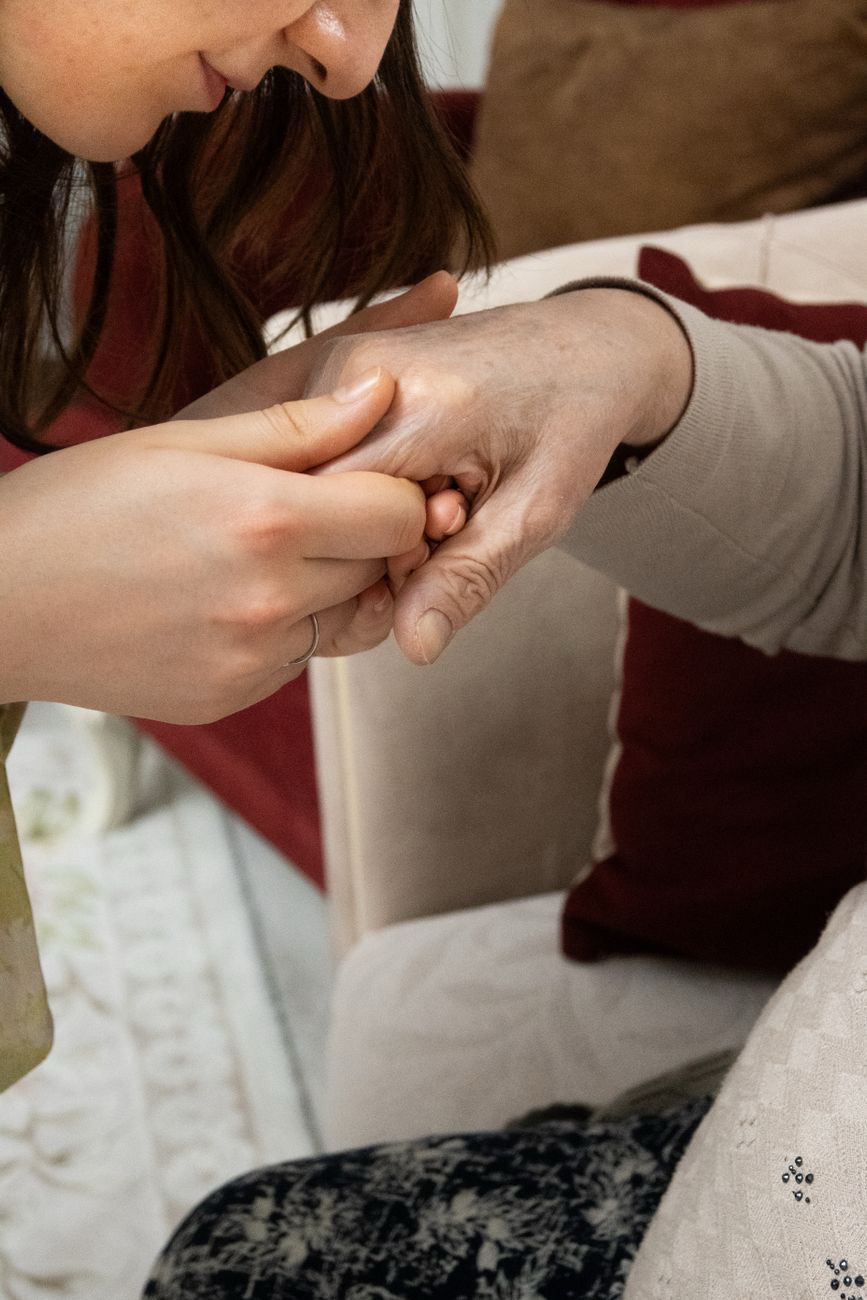
A favorite song comes on, and your dad taps his foot before he says a word. Your mom folds a stack of towels with the same care she once gave every family dinner. These moments are why the best dementia activities at home are rarely complicated. They are familiar, comfortable, and connected to the person’s life.
For families, an activity can offer more than a way to fill an afternoon. It can create a calmer rhythm, encourage a sense of purpose, and make time together feel less focused on what has changed. The goal is not to test memory or keep someone busy every minute. It is to offer meaningful moments without pressure.
Start With What Feels Like Them
The most successful activities are usually rooted in lifelong interests, routines, and roles. A former gardener may enjoy sorting seed packets, watering houseplants, or looking through flower catalogs. Someone who loved cooking may be happy stirring batter, snapping green beans, or choosing recipes from a well-worn cookbook.
Think about the person before you think about the activity. What music did they play? What work did they do? Did they enjoy caring for children, decorating for holidays, working with their hands, following sports, or spending time outdoors? Those details provide better direction than a generic activity list.
Keep the setup simple. Place only the items needed for one task in front of your loved one, offer one direction at a time, and let the pace stay relaxed. If an activity is no longer enjoyable, move on without correcting or insisting. A peaceful change of direction is always better than turning a shared moment into a struggle.
12 Best Dementia Activities at Home
1. Listen to familiar music
Music can change the feeling of a room quickly. Create playlists from teenage years, favorite artists, worship music, big-band songs, country classics, or holiday music. Sit together and listen, sing along, clap to the beat, or simply let the music play during a quiet task.
Avoid making it a quiz about song titles or lyrics. The value is in the feeling and the connection, not getting an answer right.
2. Look through family photos
Photo albums, printed pictures, and simple memory books can invite warm conversation. Choose photos with clear faces and familiar places. You might say, “Tell me what you remember about this day,” or simply share what you remember yourself.
If your loved one does not recognize everyone in a photo, do not push. A comment such as, “That was a happy family picnic,” keeps the moment welcoming and leaves room for whatever response comes naturally.
3. Fold laundry or sort household items
Many people find comfort in useful, hands-on tasks. Folding washcloths, pairing socks, sorting buttons by color, organizing greeting cards, or rolling towels can provide a satisfying sense of contribution.
Choose items that are easy to handle and free from sharp edges or small pieces that could create frustration. The task does not have to be completed perfectly. Participating is the point.
4. Spend time with plants
A few potted herbs, a windowsill plant, or a small container garden can provide a gentle daily routine. Your loved one might water plants, wipe leaves, place cut flowers in a vase, or help arrange a simple centerpiece.
This activity works especially well for someone who has always enjoyed a yard or garden but may no longer feel comfortable managing a larger outdoor space alone.
5. Bake or prepare simple foods together
The smell of cinnamon, coffee, soup, or a favorite casserole can bring a strong sense of home. Invite your loved one to stir, pour pre-measured ingredients, set napkins on the table, or help choose between two familiar snacks.
Keep tasks manageable and stay nearby for the parts that require closer attention. Even if you do most of the preparation, including your loved one in one small step can make the experience feel shared rather than observed.
6. Create a comfort box
Fill a small box or basket with items connected to the person’s history and interests. It may include postcards, soft fabric, old ticket stubs, a favorite cap, family photos, a recipe card, or a familiar scented lotion.
A comfort box is helpful on days when concentration is short or conversation feels difficult. There is no right way to use it. Simply exploring the items together can create a calm, familiar pause.
7. Watch familiar shows or sporting events
A favorite old movie, a classic television show, nature program, or hometown team can offer easy companionship. Choose something with a familiar tone and avoid programs that are loud, upsetting, or hard to follow.
Watching does not need to be passive. Offer a favorite snack, sit nearby, and make simple comments about what is happening. The shared routine often matters more than the program itself.
8. Do simple crafts with a clear purpose
Crafts work best when the finished item feels recognizable. Try decorating seasonal cards, arranging silk flowers, making a simple photo collage, coloring large-print designs, or creating place cards for a family meal.
Skip projects with too many steps or a strong expectation of a polished result. A craft should feel inviting, not like an assignment. If your loved one prefers to choose colors while you do the cutting or gluing, that still counts as meaningful participation.
9. Read aloud together
Short poems, devotional readings, newspaper features, local history books, or favorite passages can be comforting. Read slowly and stop after a paragraph or two if attention fades. Some people enjoy following along, while others simply enjoy the sound of a familiar voice.
Choose material based on personal preference, not what seems most challenging. A well-loved children’s story or a short inspirational reading may bring more joy than a longer book.
10. Take a gentle walk or sit outside
Fresh air and a change of scenery can reset the day. A brief walk on a familiar path, time on the porch, birdwatching from a window, or sitting together in the sunshine can all become meaningful routines.
Pay attention to comfort, weather, and surroundings. On a busy or tiring day, a few quiet minutes outdoors may be enough.
11. Sort and organize familiar collections
Many people enjoy handling objects that reflect a lifelong hobby. This could mean arranging postcards, sorting baseball cards, organizing costume jewelry, placing coins in containers, or lining up tools that are safe to handle.
The activity can lead to stories, but it does not have to. The textures, colors, and familiar objects may be engaging on their own.
12. Share a simple household routine
Some of the best moments happen during ordinary parts of the day. Invite your loved one to help set the table, choose tomorrow’s outfit, feed a pet with support, dust a low shelf, or pack a small bag for an outing.
A familiar role can support dignity. Rather than taking every task away, look for safe ways to adapt the task so your loved one can remain involved.
Build Activities Into a Predictable Rhythm
A long schedule packed with options can feel overwhelming for both of you. A better approach is to anchor one or two activities to parts of the day that already happen. Music after breakfast, a short walk before lunch, folding towels in the afternoon, and photo time after dinner can create a reassuring pattern.
It also helps to match the activity to the person’s energy. Mornings may be better for conversation or a small project. Later in the day may call for quiet music, a familiar show, or sitting together with a comfort box. What works on Tuesday may not work on Thursday, and that is normal.
Watch for simple signals. Smiling, relaxed hands, humming, staying with the activity, or asking to do it again are good signs. Restlessness, silence that feels tense, irritation, or walking away may mean it is time to change the setting, shorten the activity, or take a break.
Make Connection More Important Than Completion
Family caregivers often carry the pressure of trying to make every hour meaningful. That pressure can make an activity feel like another responsibility. Give yourself permission to keep it small.
You do not need a special craft kit, a perfect plan, or an enthusiastic response every time. Sitting beside your loved one while music plays, offering them a warm towel to fold, or sharing a cup of tea can be enough. The calm attention you bring is often the most valuable part.
When family responsibilities become harder to manage alone, companion care can provide another steady presence in the home. A caregiver can help maintain routines, share activities, and give family members time to rest while their loved one remains in a familiar environment. For families in Buford and nearby communities, Acti-Kare can help make that support easier to arrange.
The best activity is the one that leaves your loved one feeling included, comfortable, and known. Start with one familiar thing today, allow the moment to unfold at its own pace, and let connection be the measure of success.